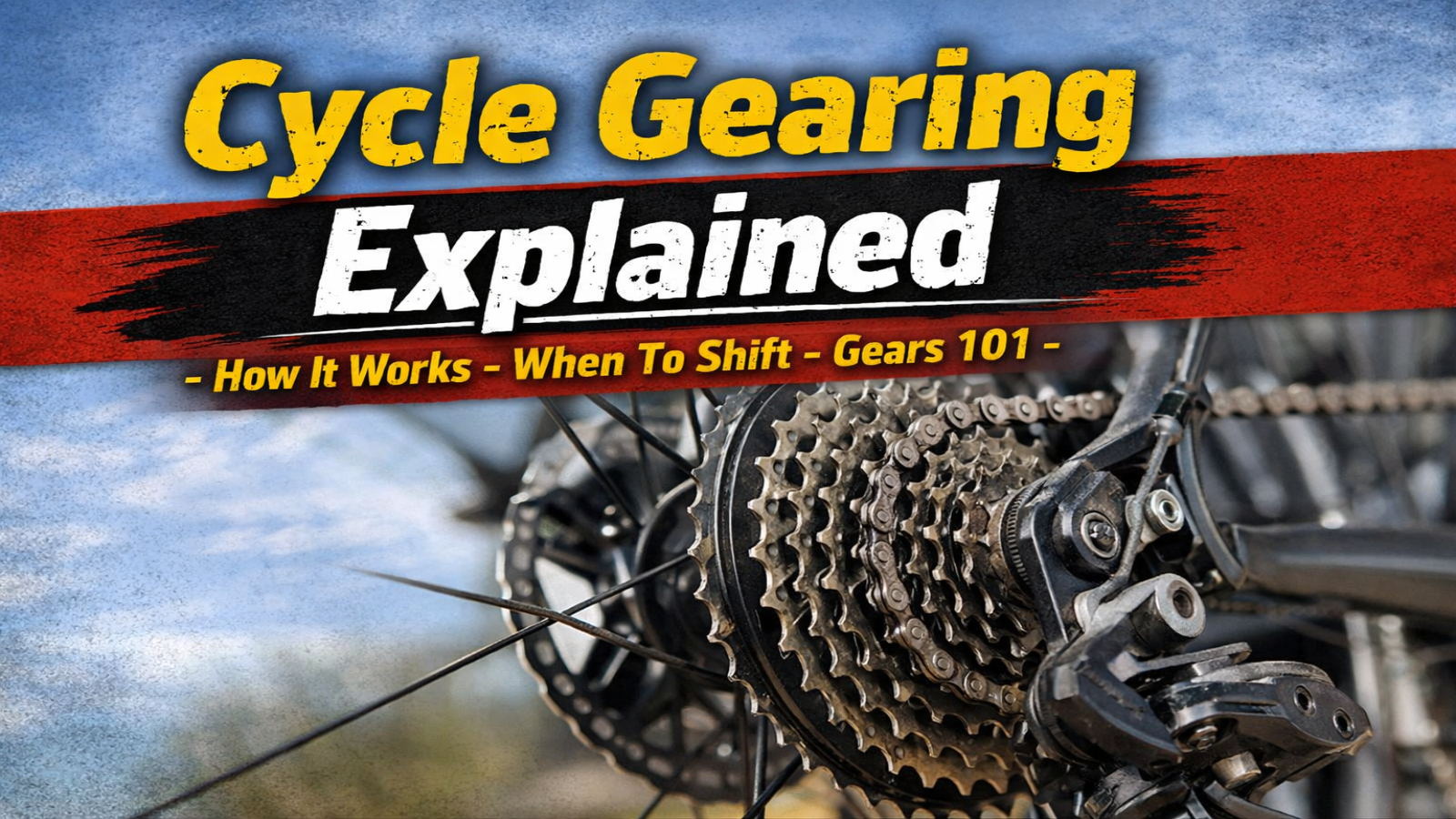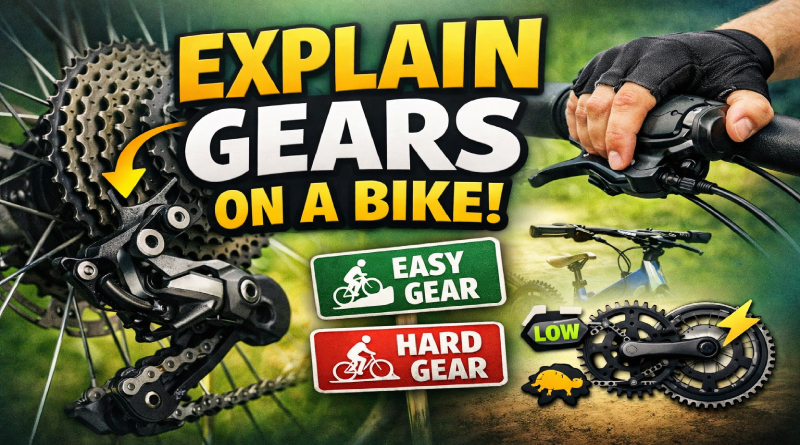
Explaining Bike Gears In Simple Words For Everyday Riders
Explaining Bike Gears: People sometimes ask about bike gears as if they were something very complicated. But really, it’s just a way to keep your legs from hating you. When you talk about bike gears, it doesn’t have to sound mechanical or perfect. It’s more about how it feels to ride and why turning a small lever makes pedaling easier or harder all of a sudden.
The first time I rode a bike with gears, I was confused. I kept pushing buttons at random. The bike went fast once, but then it felt heavy, like riding through sand. That’s when gear explain really matters, not in books, but on the road.
This article isn’t well-organized. It moves around a little. But by the end, talking about bike gears should be as easy as talking about shoes or how fast you walk.
What bike gears are, really
Bike gears change how hard your legs have to work. That’s all. No magic. This is usually the first thing people say when they talk about bike gears.
Your legs move the chain when you pedal. The wheel turns because of the chain. Gears are in between and decide how much work goes into movement.
- Easy gear = legs spin more, bike moves less
- Hard gear = legs push harder, bike moves more
That’s the basic gear explanation, even though the names may sound fancy later.
Some people think that gears automatically make bikes go faster. That’s not true. Gears make it easier to ride in different situations. All of it: flat road, hill, wind, and tired legs.
Why bikes even need gears
Bikes from the past didn’t have gears. People still rode them. But it was hard. Hills were hard. Long rides made me tired.
Explaining bike gears also means explaining problems they solved.
Without gears:
- Hills feel brutal
- Long distance kills your knees
- Speed control is limited
With gears:
- Hills become possible
- You control effort
- Riding feels smoother
Gear explain here is simple: gears give choices. And choices matter when your legs are burning.
Basic parts involved in bike gears
This is where explaining bike gears usually sounds scary. Too many names. But relax. You don’t need to remember everything.
Main gear parts
- Chain
- Chainrings (front gears)
- Cassette or freewheel (rear gears)
- Derailleurs (front and rear)
- Shifters
That’s it. It’s easier to explain bike gears once you see how they work together.
When you shift, the chain moves to the side. That move to the side changes which gear is in use. That’s the whole thing.
Front gears vs rear gears
People mix this up a lot. So let’s slow down.
Front gears (chainrings)
These are near the pedals. Usually:
- 1 gear (single speed or modern MTB)
- 2 gears
- 3 gears (older bikes)
Bigger front gear = harder pedaling
Smaller front gear = easier pedaling
Explaining bike gears at the front is about big changes. When you change front gears, you really feel it.
Rear gears (cassette)
These are near the back wheel. Usually many gears, like 7, 8, 9, 10, or more.
- Smaller rear gear = harder
- Bigger rear gear = easier
Rear gears are for fine control. gear explain here is about small adjustments while riding.
How gear combinations actually work
This is where explaining bike gears feels messy. Because technically, you can mix front and rear gears in many ways.
But not all combinations are good.
For example:
- Big front + big rear = chain stretched badly
- Small front + small rear = chain also unhappy
This is called cross-chaining. Not deadly, but not great. Gear explain in simple words: try to keep the chain straight. Your bike will thank you.
When to change gears while riding
This is something people learn by feeling, not reading. But still, explaining bike gears helps here.
Change gears when:
Pedaling feels too heavy
- Legs spinning too fast
- Road slope changes
- Wind changes
Avoid changing gears:
- While standing hard on pedals
- During sudden stops
Your bike shifts best when you pedal lightly. gear explain is partly about timing, not strength.
Gears and hills (the real test)
Hills are where explaining bike gears becomes real life, not theory.
Before the hill:
- Shift to easier gear early
During hill:
- Keep steady rhythm
- Don’t wait until legs die
After hill:
- Shift back gradually
A common mistake is waiting too long. Then gears won’t shift smoothly. gear explain here is about anticipation. Bikes like preparation.
Gears on different types of bikes
Not all bikes use gears the same way. explaining bike gears changes slightly depending on bike type.
Road bikes
- More gears
- Closer gear spacing
- Designed for speed
Gear explain on road bikes is about smooth cadence and efficiency.
Mountain bikes
- Easier gears
- Built for hills and rough terrain
Explaining bike gears on MTB means survival on climbs.
Hybrid bikes
- Mix of both
- Comfortable range
Gear explain here is flexibility.
Single speed bikes
- No gears
Ironically, explaining bike gears on these is easy. There are none. But you feel every hill.
Gear numbers and what they mean
People see numbers like 21-speed or 27-speed and get confused.
Here’s the truth.
Number of speeds = front gears × rear gears
So:
- 3 front × 7 rear = 21-speed
But more gears doesn’t always mean better. explaining bike gears also means explaining marketing tricks.
What matters more:
- Gear range
- Smooth shifting
- Quality parts
Gear explain shouldn’t focus only on numbers.
Cadence and gears
Cadence means how fast you pedal. explaining bike gears without cadence is incomplete.
Most riders feel good around:
- 70–90 pedal strokes per minute
If cadence is too slow:
- Gear is too hard
If cadence is too fast:
- Gear is too easy
Gear explain here connects legs and gears like a rhythm.
Common beginner mistakes with bike gears
This part matters. explaining bike gears also means warning people.
Common mistakes:
- Shifting under heavy load
- Ignoring front gears
- Cross-chaining too often
- Never shifting at all
Many beginners stay in one gear forever. Then complain riding is hard. gear explain says: use what you have.
Maintaining bike gears lightly
You don’t need to be a mechanic. explaining bike gears includes simple care.
Basic care:
- Keep chain clean
- Oil chain sometimes
- Don’t smash shifters
Dirty gears shift badly. Then people blame the system. gear explain says cleanliness matters more than fancy parts.
Sounds and feelings from gears
Your bike talks. Seriously.
- Clicking sound = usually normal
- Grinding = bad alignment
- Chain slipping = worn gear
Explaining bike gears includes listening. Sensory stuff matters. Feel in legs, sound in ears, vibration in pedals.
gear explain is not only visual.
Electronic gears (quick mention)
Some bikes now shift electronically. Buttons instead of cables.
explaining bike gears here is simple:
- Same idea
- Different method
Still gears. Still chain. Just cleaner shifting. gear explain doesn’t change much.
Why gears feel scary but aren’t
Many riders avoid learning gears. They think they’ll break something.
Truth:
- Bikes are tougher than you think
- Gears are meant to be used
Explaining bike gears is mostly about removing fear. Push the lever. Feel the change. Adjust.
gear explain becomes natural after a few rides.
Learning gears by riding, not reading
Even though this article keeps explaining bike gears, real learning happens outside.
Ride slowly. Shift often. Make mistakes.
- Shift too early once
- Shift too late once
- Feel difference
Gear explain sticks better when legs remember it.
Small mental shortcut for gears
Here’s a simple thought that helps.
- Hill coming = easier gear
- Flat road = middle gear
- Downhill = harder gear
Explaining bike gears doesn’t need complexity every time. Simple rules work.
Final thoughts that aren’t really final
This wasn’t supposed to be perfect. It never is easy to explain bike gears. On a windy day or a steep hill, you learn, forget, and then learn again.
Gear explain gets better the more you ride. Some days you think you understand. Some days, the gears feel strange again. That’s normal.